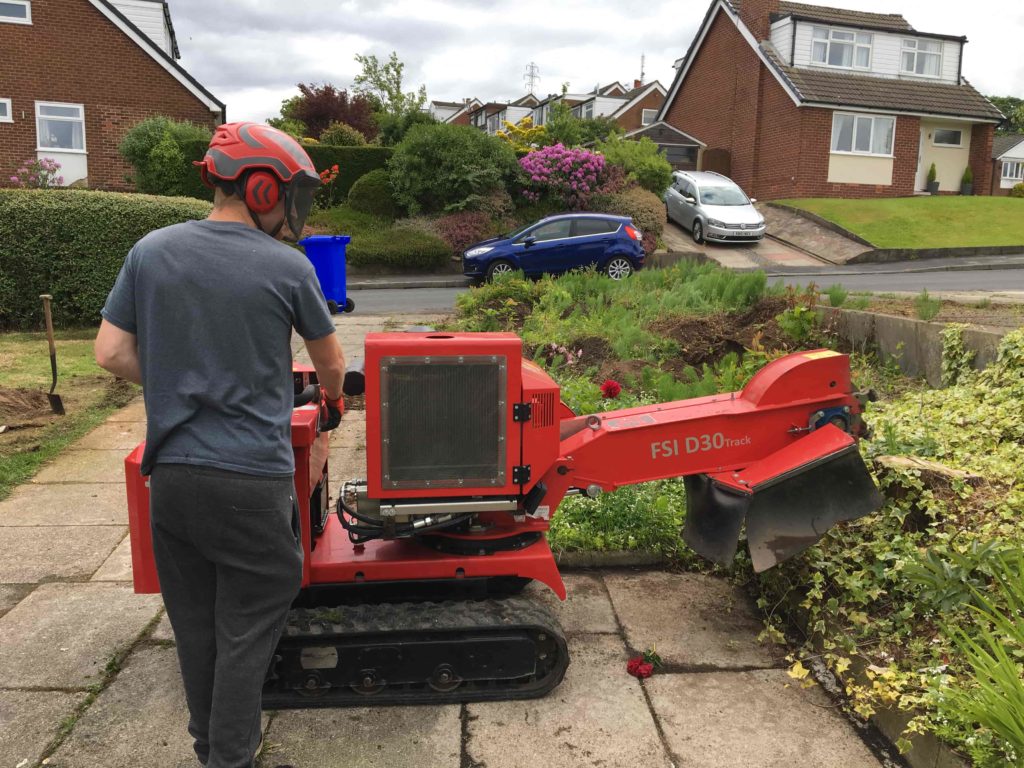
Healthy planting areas require proper care to maintain good soil conditions throughout the year. A remaining stump can slowly decay beneath the surface while creating damp surroundings that encourage unwanted fungal growth. Removing unwanted wood remains supports cleaner ground with improved growing conditions for nearby plants. Proper clearing methods such as Stump Grinding Stockport help maintain organized spaces while reducing moisture-related concerns.
Reducing Excess Moisture Levels
Decaying wood often holds water for long periods, which creates suitable conditions for fungal activity. Moist ground near plant roots can encourage unwanted growth that spreads gradually through the area. Removing a stump helps improve airflow within the soil. Better circulation supports drier conditions that are less suitable for fungal development.
Limiting Sources of Decay
Organic remains provide a steady source of material for fungal growth. As wood breaks down further, it continues supporting unwanted organisms beneath the surface. Clearing these remains reduces conditions that allow fungal colonies to develop. This approach supports cleaner growing spaces with improved soil quality.
Helpful Ground Care Points
- Clearing decayed wood supports cleaner soil across planting areas
- Better drainage helps maintain balanced conditions during wetter periods
- Reduced organic waste lowers fungal growth opportunities significantly
- Open spaces support stronger root activity beneath surface layers
Protecting Nearby Plant Growth
Fungal activity can move from decaying material into nearby root zones. This spread may affect surrounding plants over time when moisture remains present. Removing unwanted remains helps reduce this risk. Healthier growing conditions support stronger plant development throughout the area.
Improving Soil Air Movement
Good airflow beneath the surface plays an important role in maintaining balanced ground conditions. Dense decaying material can restrict movement within the soil. Professional Stump Grinding Stockport helps create a more open structure. Improved air movement supports cleaner conditions around roots while reducing fungal concerns.
Practical Maintenance Focus
- Open soil structure encourages better circulation beneath root systems
- Early removal reduces hidden moisture around vulnerable growing areas
- Cleaner planting sections remain easier to manage throughout seasons
- Ground preparation supports future planting projects with fewer issues
Creating Cleaner Planting Areas
Old remains beneath the ground can interfere with future planting plans. Moisture retention around decomposing material may increase fungal activity near young plants. Removing a stump creates a cleaner foundation for new growth. Well-prepared soil supports better use of available garden space.
Proper ground management helps reduce fungal concerns while supporting stronger growing conditions. Removing a stump before decay progresses limits moisture buildup and reduces opportunities for unwanted organisms. Cleaner soil with improved airflow supports healthier vegetation over time. Careful grinding practices create well-maintained planting areas that remain suitable for future projects and ongoing maintenance.
FAQs
Why can decaying wood encourage fungal growth in gardens?
Moist conditions around decaying wood support fungal development easily.
How does grinding support healthier soil conditions overall?
Grinding removes decay sources while improving soil circulation levels.
When is removal most useful for planting areas?
Early clearing supports cleaner ground with stronger plant growth.